
Employee Portals That Healthcare Teams Actually Want to Use
Give nurses, physicians, and support staff a single digital workspace for schedules, protocols, leave requests, and internal communication.
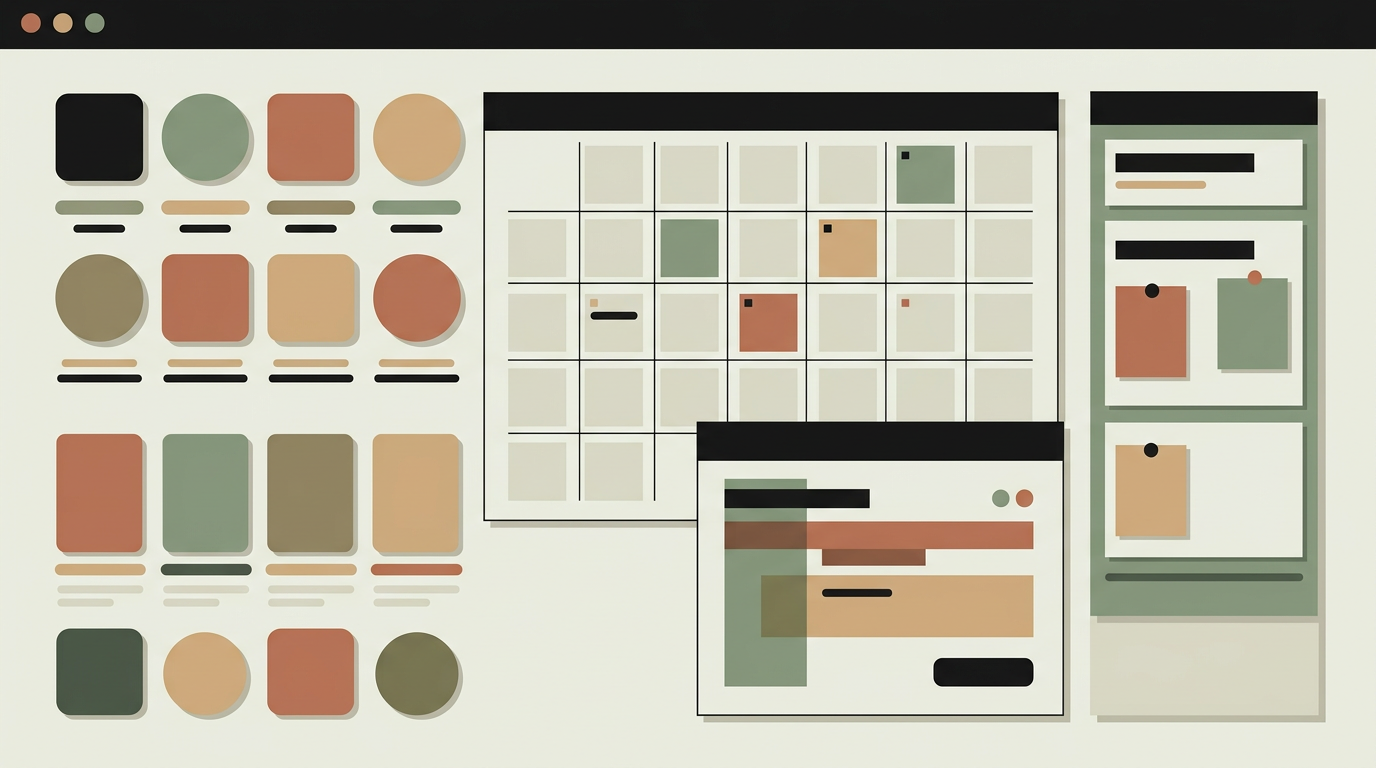
Healthcare organizations employ large, diverse workforces operating across shifts, departments, and sometimes multiple locations. Nurses, physicians, therapists, and support staff each have different information needs, from clinical protocols and training requirements to shift schedules and leave balances. Many healthcare employers still rely on bulletin boards, paper-based leave requests, and departmental email lists for internal communication. Finding the right protocol document can mean navigating a labyrinthine intranet that has not been updated in years. Shift swapping happens informally through WhatsApp groups, creating scheduling confusion and compliance risks with working time regulations. The healthcare sector faces persistent staffing shortages, making employee satisfaction and retention even more critical. A well-designed employee portal reduces friction in daily work, keeps staff informed, and demonstrates that the organization values its people enough to invest in their digital experience.
Industry challenges
Shift schedules communicated via paper rosters or hard-to-navigate systems
Leave requests processed through paper forms, creating delays and lost requests
Clinical protocols and guidelines scattered across outdated intranet pages and shared drives
Informal shift swapping via WhatsApp without manager oversight or compliance checks
New staff onboarding dependent on department-specific tribal knowledge
Our solution
Our healthcare employee portals provide a single digital workspace where every staff member, from the newest nursing assistant to the medical director, finds what they need. The shift schedule module displays personal rosters with one-tap access to swap requests that include automatic compliance checks against working time regulations and minimum staffing levels. Leave management digitizes the entire request-and-approval flow with real-time balance visibility and manager notifications. A knowledge base houses clinical protocols, standard operating procedures, and training materials in a searchable, version-controlled library, so staff always access the current version. News and announcements reach the right audience through department, role, or location-based targeting, replacing the email blasts that get lost in overflowing inboxes. An onboarding module guides new hires through required training, document submission, and orientation checklists, reducing the burden on team leads. The portal is accessible from desktop workstations in nursing stations and from personal mobile devices, recognizing that many healthcare workers do not sit behind a desk. Push notifications for critical updates ensure time-sensitive information reaches staff even when they are not actively browsing the portal. For organizations with multiple locations, the portal adapts content to each site while maintaining organization-wide consistency on policies and protocols.
Key features
Personal Shift Dashboard
Individual roster view with shift swap requests, overtime tracking, and automatic compliance validation against working time rules.
Digital Leave Management
Request, approve, and track leave with real-time balance visibility and manager notification workflow.
Searchable Protocol Library
Version-controlled repository of clinical protocols, SOPs, and guidelines with role-based access and update notifications.
Targeted Internal Communication
News and announcements segmented by department, role, and location so staff see relevant information, not noise.
Structured Onboarding Checklists
Step-by-step guides for new hires covering required training, document submission, and orientation activities.
Mobile Push Notifications
Critical updates delivered to personal devices for time-sensitive communications even outside portal sessions.
Benefits
Less Administrative Overhead for Managers
Digital leave requests and automated shift swap compliance checks free team leads from paperwork.
Better Protocol Adherence
Easy access to current guidelines means staff consult protocols more frequently, supporting patient safety.
Faster New Hire Productivity
Structured onboarding with clear checklists reduces the time new staff need to become fully effective.
Higher Staff Satisfaction
A modern, convenient portal shows staff the organization invests in their experience, supporting retention in a tight labor market.
Approach & timeline
We interview nurses, physicians, and HR staff to understand what each group needs most. The first version focuses on scheduling and leave management, the features with the highest daily usage. Protocol library and onboarding modules follow in a second release, informed by feedback from the initial launch.
Integrations
Practical scenario
A home care organization with 350 nurses processed leave requests via paper forms submitted to team leads, who then entered them into HR software manually. The process averaged four days from request to confirmation. Their employee portal introduced digital leave requests with instant balance checks and manager push notifications. The average processing time dropped to under one day, and HR reported saving approximately 8 hours per week on manual data entry.
Compliance & regulations
Healthcare employee portals must comply with GDPR for personal data, the Arbeidstijdenwet for working time tracking, and NEN 7510 when the portal accesses or displays any patient-related information. Our design ensures personal schedules and leave data are accessible only to the employee and authorized managers.
Success metrics
- Portal adoption rate among staff within the first month
- Average leave request processing time
- Protocol library usage frequency
- Employee satisfaction score related to internal communication
Frequently asked questions
Can the portal handle complex shift patterns with night shifts and irregular rotations?
Yes. The scheduling module supports any rotation pattern including fixed schedules, rolling rosters, and irregular shifts. It validates swap requests against working time regulations, minimum rest periods between shifts, and staffing level requirements automatically.
How do healthcare workers access the portal during their shift?
The portal is accessible from workstation browsers at nursing stations and department desks. For mobile access, staff can use their personal phones or organization-issued devices. The design is optimized for quick interactions, recognizing that healthcare workers have limited time between patient care tasks.
Is it possible to limit portal access based on employee role or department?
Absolutely. Role-based access controls ensure that each employee sees only the content relevant to them. A nurse sees clinical protocols for their specialty, while a facility manager sees maintenance procedures. Sensitive HR information is visible only to authorized managers.
Want this solution built for you?
We develop custom software tailored to your industry, processes, and growth plans.
 Request a price estimate