

Insights
RSSInsights, updates, and practical thinking on building modern workflows, automating execution, and using AI to reduce operational friction.
All articles
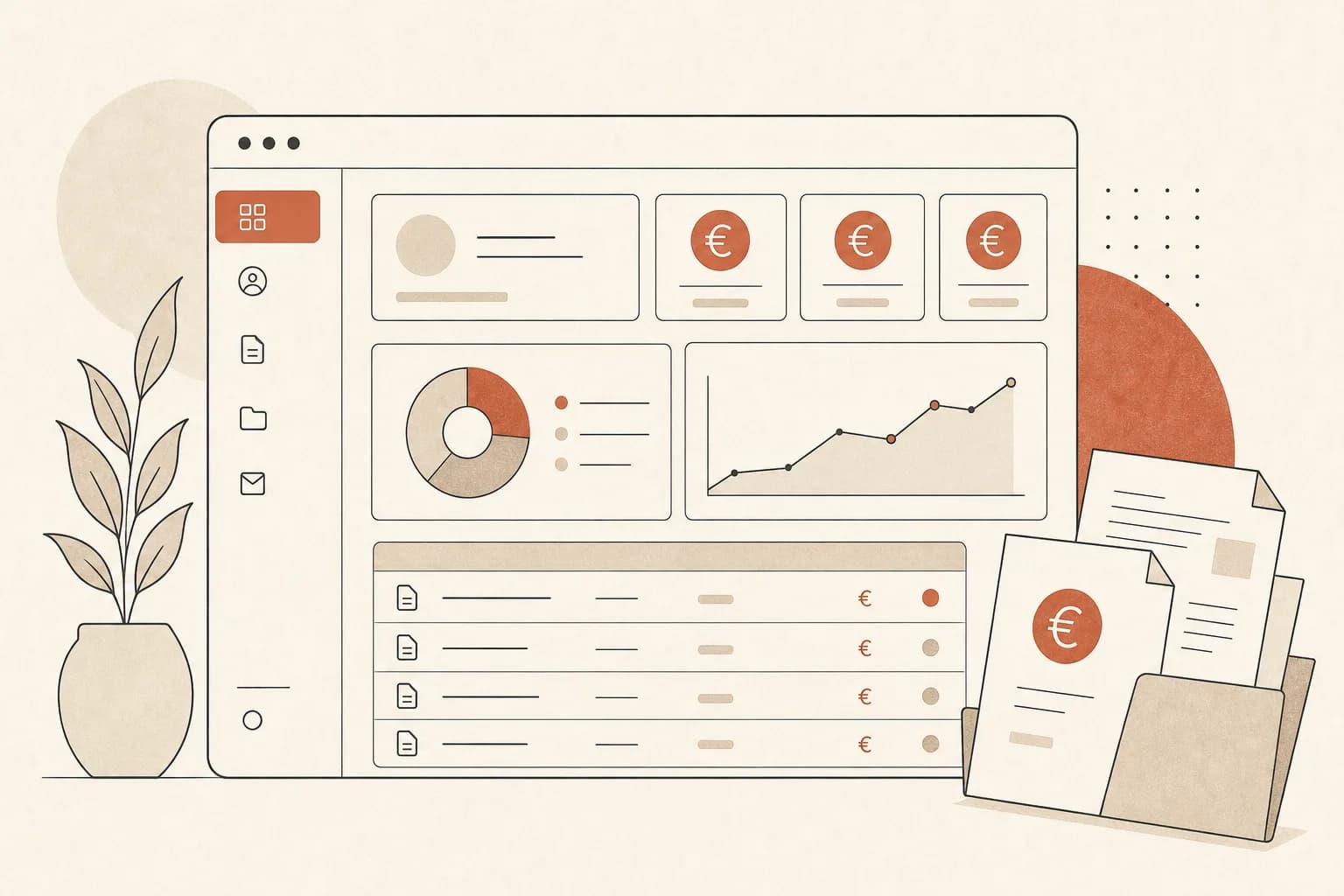 ProductWhat does a client portal cost in 2026? Honest price bandsRead article
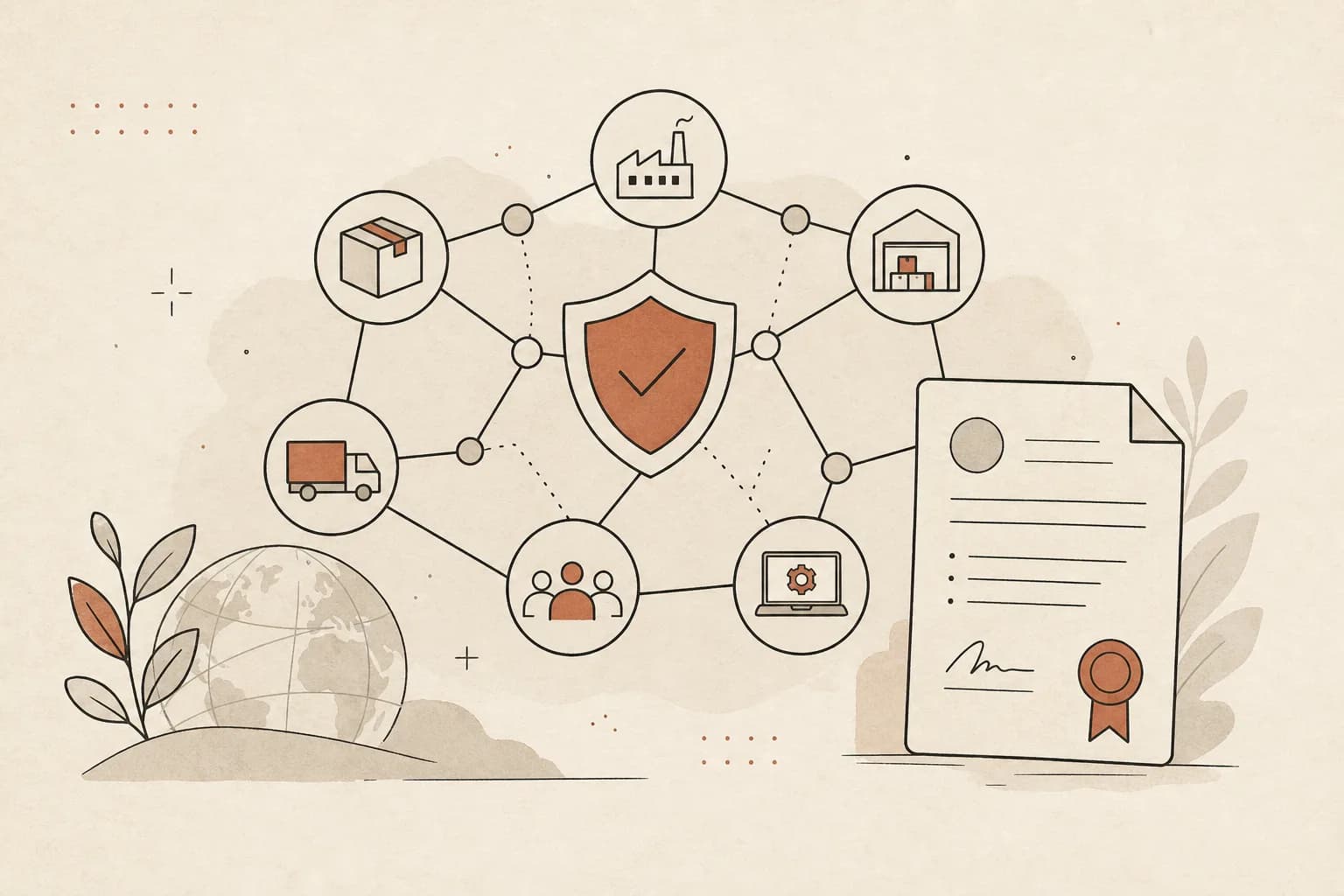 EngineeringDutch Cybersecurity Act: requirements your clients will pushRead article
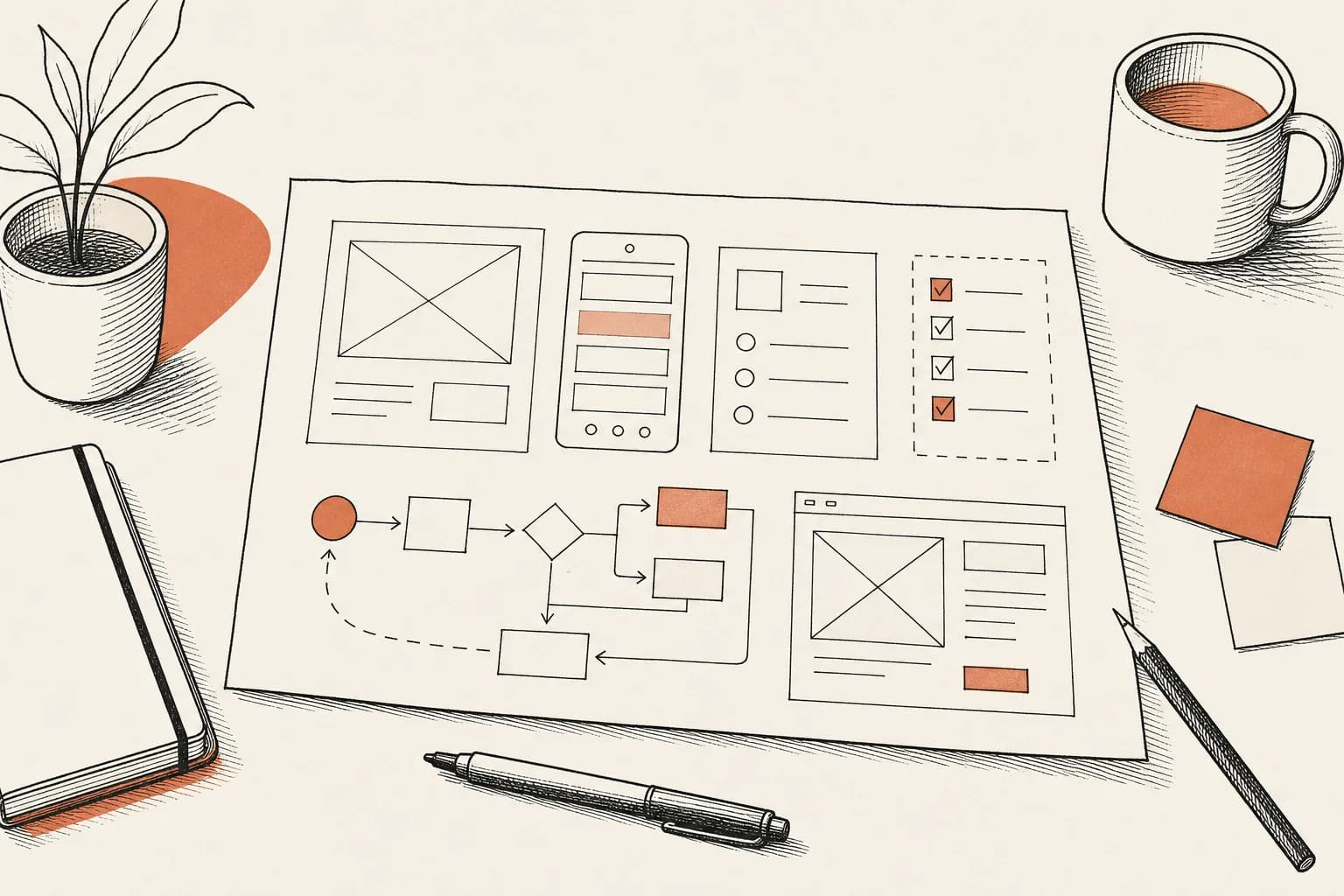 WorkflowsFunctional design template for custom softwareRead article
 EngineeringWordPress wp2shell: why a default CMS can be a security riskRead article
 WorkflowsThe Dutch Tax Authority Is Enforcing False Self-Employment Rules: What It Means for Software HiringRead article
 AIAI Agents Are Putting the SaaS Model Under Pressure: What Gartner Sees and What to DoRead article
 ProductMandatory E-Invoicing Is Coming: What SMEs Need to Know About ViDA NowRead article
 EngineeringIntegrating Exact Online With Your Own Software: When, How and What It CostsRead article
 ProductWhat Does Custom Software Maintenance Cost Per Year?Read article
 EngineeringMollie or Stripe for Your Platform: An Honest ComparisonRead articleAIBuilding an AI Agent for Your Business Processes: What Works in 2026Read articleWorkflowsDigitalisation Subsidies 2026: How to Partly Fund Custom SoftwareRead article
12 of 77 articles
This page lists 77 articles on custom software, AI tooling and development workflows. They are written from inside live projects at MG Software in Haarlem, not from research papers or hyped twitter threads. Each piece starts with a concrete question we recently hit in a client call or pull request, and ends with a decision we actually shipped (including trade-offs that turned out worse than expected).
Current breakdown: 19 pieces on AI and automation (Cursor, Claude Code, MCP, agentic coding), 27 engineering deep-dives (Next.js 16, Postgres, Supabase, Three.js patterns), 13 workflow guides for founders and PMs, and 18 updates on Refront and client work. Filter via the tabs above, or subscribe to the RSS feed to get each new post automatically. No newsletter popups, no tracking pixels, no affiliate links.
How we run this blog
Every post is written by Jordan Munk or Sidney de Geus, both co-founders of MG Software. We publish around two pieces a week and stick to three rules: the topic comes from a real project (not from an AI-generated topic list), numbers and screenshots are our own material or linked to a primary source, and when we are uncertain about something we write that down instead of implying a stronger claim than we can defend.
The content tracks what we build day to day. In Q4 2025 our stack moved from the Vercel AI SDK to Anthropic Claude Code for server-side agents, and that transition is documented in a series on agentic patterns, MCP tooling and code review. For productive refactors we have used Cursor 2.0 with composer-2-fast as the default model since early 2026. What we learn in those migrations lands here directly, so you can read along before you need to make the same call.
Want to suggest a topic?
Missing a post on a specific tool, framework or architectural decision? Email info@mgsoftware.nl with the question or frustration, and if it fits our experience we will add it to the queue. Posts are never bought or sponsored. We can only write about what we have built ourselves or evaluated thoroughly.
Need a system like this?
In a one-hour conversation you know whether it is a portal, an integration or a rebuild. No sales deck. An honest yes or no.