
Payment Integration for Web Applications That Convert
Embed payments directly into your web app. From one-time purchases to recurring subscriptions, we integrate the checkout flow that maximizes conversions.
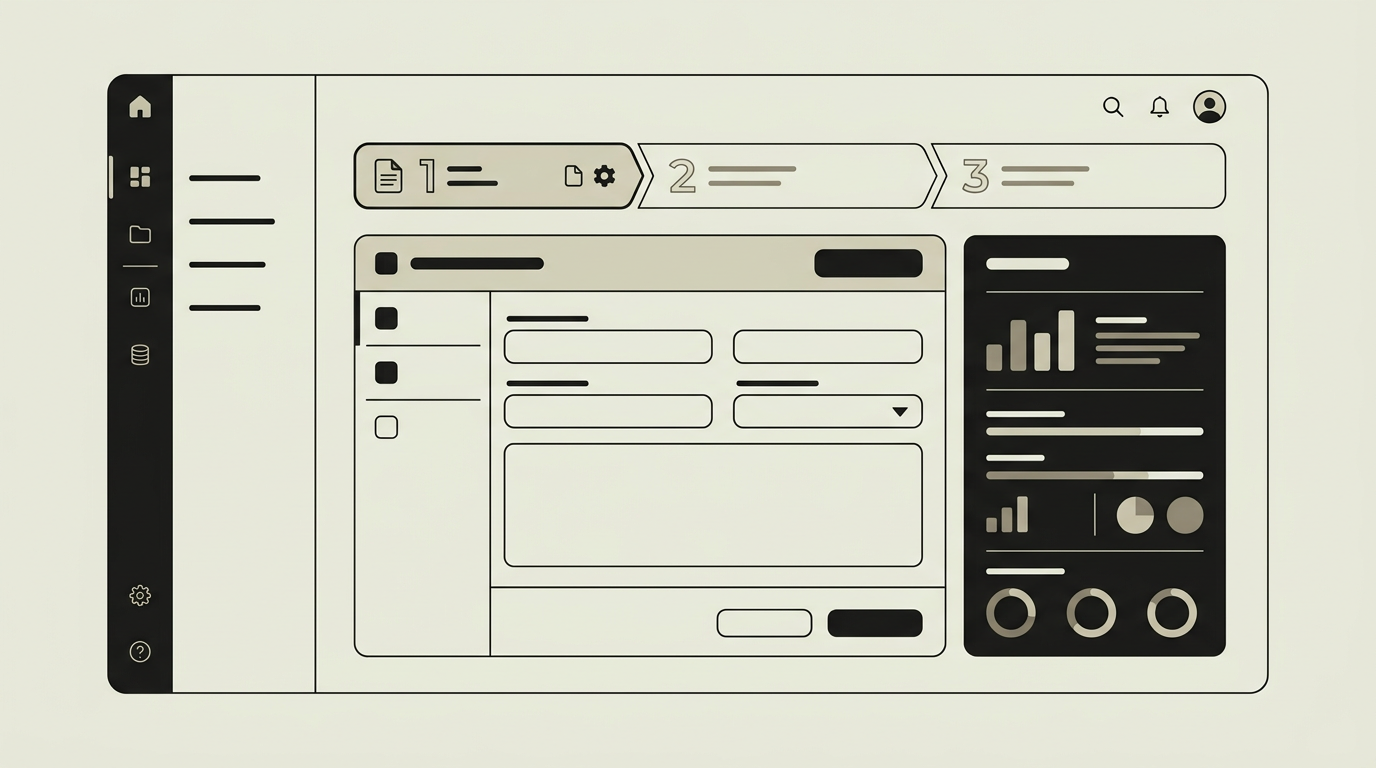
Whether you are building a marketplace, a SaaS platform, an e-learning portal, or a booking system, accepting payments within the application is often the single most critical feature from a revenue perspective. Redirecting users to an external payment page breaks the experience and tanks conversion rates. Modern payment integration means the checkout lives inside your app, styled to match your brand, accepting the methods your customers actually use. In the Netherlands, that starts with iDEAL and extends to credit cards, SEPA direct debits, and increasingly Apple Pay and Google Pay. For subscription businesses, the integration needs to handle trial periods, plan upgrades, failed payment retries, and dunning flows. Every percentage point improvement in checkout conversion directly impacts revenue.
How does it work?
Payment integration begins with selecting a payment service provider (PSP) that fits your model. For Dutch-focused businesses, Mollie provides excellent iDEAL coverage and competitive transaction fees. For international or subscription-heavy models, Stripe offers advanced billing primitives. The integration uses the PSP hosted fields approach, where sensitive card data is captured in an iframe controlled by the provider, keeping your application out of PCI scope. When a user initiates a purchase, the server creates a payment intent with the amount, currency, and metadata. The front-end displays the available payment methods and handles the method-specific flow (bank selection for iDEAL, card form for credit cards, redirect for Bancontact). After completion, the PSP sends a webhook confirming the payment status. Your application processes this webhook idempotently, updating the order status, granting access to the purchased resource, and sending a receipt email. For subscriptions, the PSP manages recurring charges, prorated upgrades, and configurable retry schedules for failed payments. A dunning flow sends increasingly urgent notifications to customers with expiring or failed payment methods, maximizing recovery without manual intervention. All transactions are viewable in an admin panel with filtering, refund capability, and export options for accounting reconciliation.
Capabilities
Inline checkout experience
Payment forms are embedded directly in the application, preserving the user flow and maximizing conversion rates.
Subscription lifecycle management
Trials, plan changes, prorations, cancellations, and reactivations are handled through the PSP billing engine.
Automatic failed payment recovery
Configurable retry schedules and dunning emails recover revenue from failed recurring charges without manual effort.
Refund and credit management
Full and partial refunds can be initiated from the admin panel, automatically updating the customer account balance.
Integration options
Mollie
Dutch-focused PSP with iDEAL, Bancontact, SEPA, and credit card support. Straightforward API and competitive pricing.
Stripe Billing
Advanced subscription management with usage-based billing, coupon systems, and revenue recovery tools.
Accounting software (Exact, Xero)
Automatic posting of transactions and invoices to your accounting system for seamless reconciliation.
Implementation steps
- 1
Payment model design
We define whether the model is one-time, subscription, usage-based, or a hybrid, and select the optimal PSP.
- 2
Checkout UX implementation
The inline checkout is built with hosted fields, payment method selection, and brand-consistent styling.
- 3
Webhook and order processing
Server-side handlers process payment confirmations, update order status, and trigger access provisioning.
- 4
Subscription management
Plan selection, trial handling, upgrade/downgrade flows, and cancellation logic are implemented if applicable.
- 5
Admin panel and reconciliation
A transaction management interface is built for the operations team with search, refund, and export capabilities.
User experience
The checkout flow is fast and familiar. Payment methods are displayed with recognizable logos. Returning customers can pay with a saved method in one click. Progress indicators and clear error messages guide users through the process.
Technical stack
Security
The hosted fields approach ensures card data never touches your servers, minimizing PCI compliance scope. Webhook endpoints verify signatures to prevent spoofed events. Payment-related API routes require authenticated sessions with CSRF protection.
Maintenance
PSP SDK updates, monitoring webhook success rates, reviewing fraud detection rules, and adjusting dunning sequences. Approximately 3 to 6 hours monthly.
Frequently asked questions
Need this functionality in your product?
We build it the way your business actually needs, without unnecessary complexity.
Request a quoteRelated articles
Seamless Payment Integration for Client Portals
Turn your portal into a payment hub. Integrate iDEAL, credit card, and SEPA direct debit so clients can settle invoices and subscriptions without friction.
Robust User Management for Custom Web Applications
Build a web application with a complete user management system. Registration, authentication, profiles, team structures, and admin tools designed for scale.
Multilingual Web Applications Built for Global Audiences
Reach users in their own language. We build web applications with full internationalization support, from content translation to locale-specific formatting and SEO.
Stripe vs Mollie in 2026: Real Fees, iDEAL Support and When Dutch Merchants Save Money
Stripe charges 2.9% + 30 cents, Mollie charges 1.8% + 25 cents on iDEAL. We process payments through both and compare actual fees, payout speed, API quality and DAC7 reporting. Clear winner per merchant type.