
Seamless Payment Integration for Client Portals
Turn your portal into a payment hub. Integrate iDEAL, credit card, and SEPA direct debit so clients can settle invoices and subscriptions without friction.
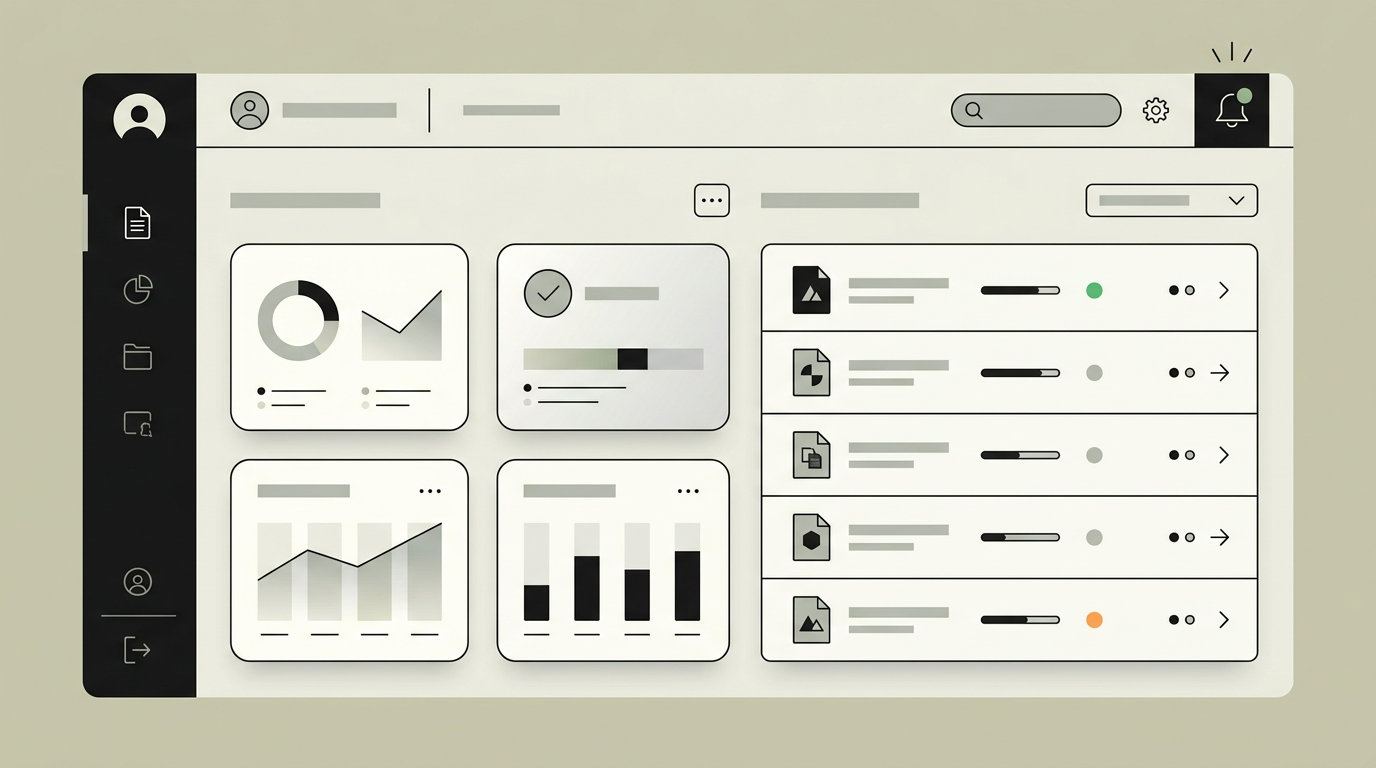
A client portal that shows invoices but forces clients to pay through a separate banking interface creates unnecessary friction. Every extra step between seeing an invoice and settling it extends your payment cycle. By embedding a payment gateway directly into the portal, you turn the "view invoice" moment into a "pay invoice" moment. This is particularly impactful for businesses in the Netherlands where iDEAL dominates online payments and clients expect that convenience everywhere. Recurring billing scenarios such as SaaS subscriptions, retainer agreements, and maintenance contracts benefit from automatic SEPA direct debits managed through the same portal interface. The result is measurably faster cash flow and fewer outstanding receivables without your finance team lifting a finger.
How does it work?
The payment integration layer sits between your portal front-end and a PCI-compliant payment service provider such as Mollie or Stripe. When a client clicks "Pay" on an invoice, the portal creates a payment intent with the exact amount, currency, and metadata. The client is presented with available payment methods based on their locale and the configured methods in your merchant account. For iDEAL, this means a familiar bank selection screen embedded inline. Credit card payments use a tokenized form that keeps card data entirely within the PSP environment, so your portal never touches sensitive payment data. Once the payment is authorized, a webhook from the PSP confirms the status. The portal updates the invoice to "paid", records the transaction reference, and triggers a confirmation notification. For recurring payments, SEPA mandates are collected during onboarding and subsequent charges are processed automatically on the billing date. Failed charges trigger a retry sequence with client notifications. A reconciliation job runs nightly to match PSP settlement reports with your internal records, flagging discrepancies for review.
Capabilities
Multi-method checkout
Support for iDEAL, credit card, Bancontact, SEPA direct debit, and other local methods through a single integration.
Recurring billing automation
SEPA mandates and stored payment methods enable automatic charges for subscriptions and retainer agreements.
PCI-compliant tokenization
Card data is tokenized by the PSP, so your portal infrastructure never stores or processes sensitive payment information.
Real-time reconciliation
Payment confirmations update invoice statuses instantly. A nightly reconciliation job ensures accounting accuracy.
Integration options
Mollie
Dutch-first PSP with excellent iDEAL support, competitive rates, and a well-documented API. Ideal for NL-focused businesses.
Stripe
Global PSP with advanced features like Stripe Billing for subscriptions, Radar for fraud detection, and broad international payment method coverage.
Exact Online
Automatic ledger posting of payment events keeps your accounting software in sync without manual journal entries.
Implementation steps
- 1
PSP selection and merchant setup
We help you choose the optimal payment provider and configure your merchant account with the appropriate payment methods.
- 2
Checkout UX design
The payment flow is designed to minimize steps and match the look and feel of your portal, including mobile optimization.
- 3
Webhook and reconciliation logic
Payment event handlers are built with idempotency safeguards and connected to your invoice and accounting systems.
- 4
Recurring billing setup
SEPA mandate collection, subscription scheduling, and failed payment retry logic are configured and tested.
- 5
Compliance and go-live
PCI compliance is verified, test transactions are processed across all methods, and the system goes live with monitoring.
User experience
The payment flow is embedded directly on the invoice detail page. Clients select their preferred payment method, complete the transaction, and see an instant confirmation without navigating away. Payment history is accessible from the portal dashboard with filtering options.
Technical stack
Security
All payment flows are PCI DSS compliant through the hosted fields approach, where sensitive data is captured in iframes controlled by the PSP. Webhook signatures are verified to prevent spoofed payment confirmations. Transaction logs are immutable and retained according to Dutch fiscal regulations.
Maintenance
PSP SDK updates, monitoring for failed webhooks, and periodic review of transaction fees and fraud rules. Budget approximately 3 to 5 hours per month.
Frequently asked questions
Need this functionality in your product?
We build it the way your business actually needs, without unnecessary complexity.
Request a quoteRelated articles
Client Portal with Built-In Invoice Management
Give your clients a self-service portal where they can view, download, and pay invoices. Reduce admin overhead and accelerate payment cycles with automated invoice workflows.
Smart Notifications for Your Client Portal
Keep your clients informed with intelligent, multi-channel notifications. From project updates to payment confirmations, deliver the right message at the right moment.
Automated Document Generation in Your Client Portal
Let your portal generate contracts, reports, and certificates on-demand. Merge live data into professional templates and deliver polished documents in seconds.
Payment Integration Examples - Inspiration & Best Practices
Stripe, Mollie, and marketplace payouts in practice. Payment integration examples with SCA compliance, recurring billing, and split-payment architecture.