
Returns and Exchange Module for Custom E-commerce
Handle product returns professionally with a self-service portal, automated refund processing, and return analytics that help reduce future returns.
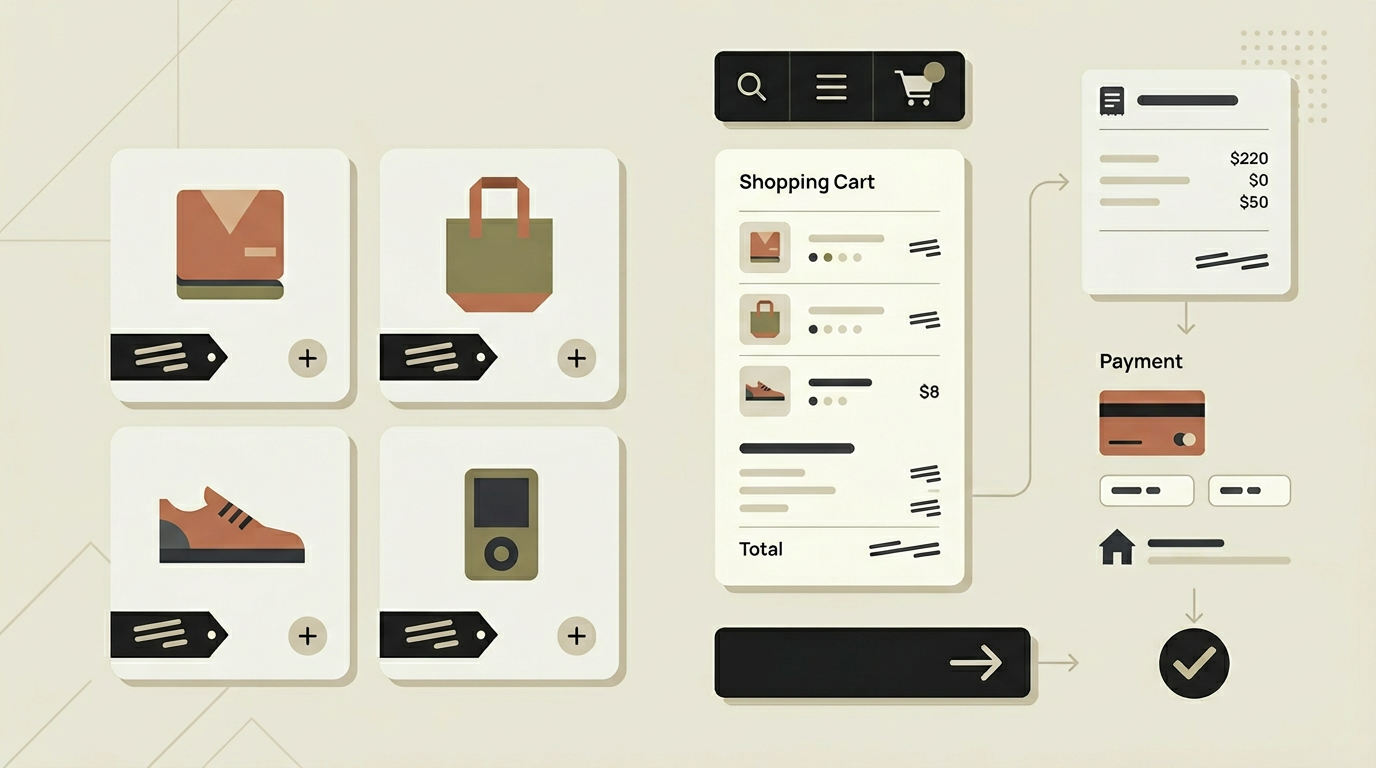
Returns are an inevitable part of online retail, but they do not have to be a painful experience for either the customer or your operations team. A clunky returns process erodes customer trust and generates a disproportionate volume of support tickets. Meanwhile, poorly tracked returns create inventory discrepancies and delayed refunds that frustrate accounting. A purpose-built returns module gives customers a self-service portal where they can initiate a return, select the reason, print a shipping label, and track the status of their refund. On the operations side, the module routes returned items through inspection, restocking, or disposal workflows and processes refunds automatically once the return is accepted. Beyond operational efficiency, the return reason data is a goldmine for product improvement. When you can see that 40 percent of returns for a specific product cite "smaller than expected," you know your size guide needs attention.
How does it work?
The customer initiates a return through a self-service portal accessible from their order history page. They select the items they want to return, choose a reason from a structured list, and optionally upload a photo. The system checks the return eligibility based on configurable rules: return window (e.g. 30 days from delivery), product category exclusions, and condition requirements. If the return is eligible, a return authorisation number is generated and a prepaid shipping label is created through the connected carrier API. The customer ships the items back, and tracking data from the carrier updates the return status in real time. When the warehouse receives the package, staff scan the return authorisation to open an inspection screen. They record the item condition: sellable, damaged, or defective. Based on the inspection outcome and the return policy, the system either processes a full refund, a partial refund, or initiates an exchange. Refunds are pushed to the original payment method through the payment gateway API. Restockable items are added back to inventory automatically. Analytics dashboards aggregate return rates, reasons, and costs by product, category, and time period, helping merchandising teams identify patterns and take corrective action.
Capabilities
Self-Service Return Portal
Customers initiate returns, select reasons, and print shipping labels without contacting support, reducing ticket volume significantly.
Automated Eligibility Checks
Validates return requests against configurable rules for return windows, product exclusions, and condition requirements before generating an authorisation.
Inspection Workflow
Warehouse staff scan returned items into a guided inspection screen that captures condition, determines the refund amount, and routes items to restock or disposal.
Automated Refund Processing
Once a return is accepted, the refund is processed through the payment gateway to the original payment method without manual financial intervention.
Return Analytics
Dashboards display return rates, top return reasons, and cost breakdowns by product and category, enabling data-driven improvements to reduce future returns.
Integration options
Carrier API
Generates prepaid return labels and tracks inbound shipments through PostNL, DHL, UPS, or other carriers configured in your logistics stack.
Payment Gateway
Processes refunds to the original payment method via the same Mollie, Stripe, or Adyen integration used for the original transaction.
Inventory System
Adds restockable returned items back into available inventory automatically after inspection approval.
Implementation steps
- 1
Policy Configuration
Define return windows, product category exclusions, condition requirements, and refund rules in the admin panel.
- 2
Portal Development
Build the customer-facing return initiation wizard with reason selection, photo upload, and label generation.
- 3
Inspection Interface
Create the warehouse inspection screen with barcode scanning, condition recording, and routing logic for restock or disposal.
- 4
Refund Automation
Connect the inspection outcome to the payment gateway so that approved refunds are processed automatically.
- 5
Analytics & Reporting
Build return analytics dashboards that surface actionable insights for the merchandising and product teams.
User experience
The return portal is accessible with a single click from the order detail page. A step-by-step wizard guides the customer through the process in under two minutes. Status updates are sent via email at each stage: return accepted, package received, inspection complete, and refund issued. The experience is designed to maintain goodwill even in a negative situation.
Technical stack
Security
Return authorisation tokens are unique and expire after a configurable period. Refund amounts are validated against the original order total to prevent over-refund fraud. Customer-uploaded photos are stored securely and purged after the retention period.
Maintenance
Return policies should be reviewed seasonally. Carrier API integrations require updates when rate structures change. Budget approximately 35 hours per year for maintenance.
Frequently asked questions
Need this functionality in your product?
We build it the way your business actually needs, without unnecessary complexity.
Request a quoteRelated articles
Payment Integration for Web Applications That Convert
Embed payments directly into your web app. From one-time purchases to recurring subscriptions, we integrate the checkout flow that maximizes conversions.
Visual Product Configurator for Custom E-commerce Platforms
Let customers design their product online with a step-by-step configurator. Real-time previews, dynamic pricing, and smooth checkout integration.
B2B Pricing Tiers and Volume Discounts for E-commerce
Serve wholesale and retail customers from a single storefront. Customer-specific price lists, volume breaks, and negotiated rates built into your custom shop.
Magento Alternatives That Scale Without the Maintenance Burden
High hosting costs and complex upgrades slow your store down. Five e-commerce platforms that deliver scalability without Magento overhead.